Showing posts with label visit europe. Show all posts

Kishinev, my Easternmost European destination

??????????
I wanted to visit Kishinev for many years, but either I always rather took the plane in the direction of Western Europe, or I was too far away to include it in my short-term travel plans. Familiar with the history and with a couple of good friends from Moldova, I kept regretting that I'm not able to check the reality on the ground on myself. Shortly after the plans to visit Romania were established, the thought of paying a visit, although short, to Moldova, returned. What if? But with the never ending troubles in Ukraine, some worried friends advised me to rather go to the neighbouring Bulgaria or maybe better spend more time in Romania. But I hardly give up, especially when it comes to travel, so kept asking on travel forums and friends about what's like to be a solo woman traveller in Moldova. When I needed only one more inspiration to finally book my tickets, I met a young taxi driver in Bucharest whose emotional accounts from his home country finally convinced me that I should not miss the chance to go there.
Although it is possible to fly or to go by train, I rather decided to take a minibus, from Autogara Filaret, place that looked completely out of time. The round ticket goes around 40 Euro pro person.
??????????
The journey lasts around 8 hours, it's relatively safe - if you forget about the need to use safety bells which were completely broken - and the mini-buses on both ways are ready to go every 2 hours. There are around 3 companies operating regularly and phone reservations are also possible. Otherwise, it's quite easy to get a place without, if you are in the station at least 30 minutes before departure.
??????????
The custom checking was relatively smoothly, although during the summer time, the traffic was quite busy with people coming back home from Italy, Spain or France, among others. The country was recently included in the free-visa program of the EU, but many Moldavian citizens succeeded to get a Romanian passport - the two countries have a long common histories and for those with Romanian ancestors it was possible to get the citizenship - allowing them free travel and working opportunities in EU countries. On the way back though, the checking took much more, because entering the EU area involves some serious restrictions in terms of the quantities of cigarettes and alcohol that can be carried. As I was carrying only a small bag for my one night stay in Kishinev, I did not make too many worries and enjoyed looking out of the window. Once arrived in Moldova, the rich landscape kept my camera busy. Kishinev is situated in the middle of a beautiful natural landscape, one of the most favourite destinations for the weekend of the local people being the outdoor experiences of Rezervatia Codrii, a large area covered by forests, small hills and green paths.
??????????
For purchasing my tickets, using the Romanian currency was possible, and in many places in Kishinev, it was still allowed to trade with it. This goes too for Euro. However, for paying in restaurants in shops, you rather need to use the local money, colourful pieces of paper adorned with historical characters from both the Romanian and local history. Many exchange houses are open on Sunday too, especially near the train and central bus station, as well as on Stefan cel Mare avenue.
??????????
My first contact with the city was through its people: the driver of the mini-bus, kindly explained me where I should stop for reaching the street where I had rented a too large apartment; the owner of the apartment to whom I paid around 30 Euro for a huge 4-room complex - sometimes, the monthly salary is around 25 Euro, the country being considered the poorest in Europe - and who bought me some water, coffee and some small breakfast treats; the same owner who the next day insisted to pay my ticket to Dendarium park; the many anonymous people who helped me with directions either in Romanian, English and my very broken Russian. Thus, I felt not only safe, but also welcomed. Maybe the streets were looking bad and the contrasts between the very expensive 4x4 cars and the big holes on the roads were too big to ignore, but the warm hearts can open the eyes for long-time friendships.
??????????
Either part of Romania or the Soviet Union, Moldova regained its independence only recently. The National Museum of History presents extensive local interpretations of history, covering also the repression during the communist years, although there are a lot of historical events completely absent.
??????????
At the Museum of Art, although I was only 10 minutes before closing time, I was allowed to visit the Otto Dix exhibition featuring graphic war experiences during WWI. A couple of weeks later, I visited Dix's home in the German city of Gera, keeping in mind this encounter.
??????????
Most part of my time in Kishinev was spent walking the long avenues - especially around Stefan cel Mare blvd - noticing the local institutional architecture, strongly influenced by the communist/rigid Soviet architecture.
??????????
In the main square, the arch that was used as a meeting points for anti-governmental protesters in the last months. For now, the situation is stable, the only travel warning being related to the travels in the crony Transdniestr region, which is out of the legal and administrative control of Moldova where it reigns a pro-Russian communist Soviet-style government.
??????????
Almost each historical encounter in this city needs an addenda. For instance, this monument dedicated to the historical character of Stefan cel Mare was moved several times in the next decades due to various historical and political circumstances.
??????????
The institutional buildings are unusually big - sign that working for the public institutions might be a serious offer on a very unstable market - and pleasant apparitions.
??????????
The new national identity is displayed in the most simplest way and as often as possible, but in such an open warm way that you might accept easily the clumsiness of the very beginnings.
??????????
As in Romania, summers in Moldova are very hot and due to the high energy prices, not all the places do have air condition. After a couple of good hours of walking, I decided to have a foodie stop, trying some local specialities at Andy's Pizza, a local network with air conditioned restaurants all over the city. It's open 24/24 hours, with home delivery, fast service and very acceptable prices. The menu was in both Russian and Romanian, but the waiters were able to speak some English too. The lemonade was fresh, cold, perfumed and with the right amount of lemon, although a bit too sweet. The veggie mushroom soup was creamy, rich in parsley and with lots of crunchy croutons. I ordered some fresh back bread because curious to taste it, and was not disappointed by its freshness and dough aroma. I continued with a four-cheese pasta with dried tomatoes, nothing special, but consistent and with a good combination of cheeses.
Although I did not notice too many traditional Moldavian restaurants, there are plenty of Georgian menus all over the city, serving also their famous wine. Moldova has its own famous vineyards, a bit far away from the capital city, at Cricova, a special tourist attraction that kept the Soviet space traveller Yuri Gagarin, among others, busy for a couple of good days with its variety of bottles.
??????????
There are many small streets where some traditional architecture and houses that used to belong to middle class people at the beginning of the 20th century. Many of them are part of the historical heritage and waiting for enough state funds to be rebuilt. On the Armenian street, some decorations of the windows included also some communist symbols, the famous sickle and the red star.
??????????
For the late evening, I discovered close to my Badulescu Bodoni street, near the high building hosting the OSCE Mission, a huge park, Parcul Morii, with long trails of ups and downs stairs, few small restaurants and a huge lake with little beaches and walking paths. It looked like late in the evening, most part of the city's population is out from the hot apartments for enjoying the fresh wind of the beginning of the night.
??????????
Some courageous one were swimming, others were fishing, the kids were running around and young people were gathering together to look at their iPads - there is free wifi in the parks of Kishinev - or to watch and play some street music and dance. Earlier on in the city, I encountered a group of break-dance youngs and in the front of Stefan cel Mare central park, people were also listening to various music improvisations.
??????????
After so many experiences the other day, I started my next and last day in Kishinev, with a colourful and very sweet breakfast, at Caramel, on Banulescu Bodoni. The indoors looked very elegant, with white and green stripes wall papers and a very welcoming service. The big rose macaroon has a combination of sour rose, very crunchy, but maybe too sugarly to have an original taste. The same was for the chocolate mousse, where I also felt too much oil and artificial sweet flavours.
??????????
The Monday mornings brought more movements on the streets, and on Armeneasca street, fresh veggies and huge water melons were on sale.
??????????
Nearby, there were also other products sold at very small prices, mostly Made in China and of low quality. More interesting finds were at the flea market near the National Theatre, on the - already famous - Stefan cel Mare blvd. Looking around at product descriptions and recommendations of travel destinations, the usual reference system we are used with in Europe is completely different. There were recommendations of trips to Georgia and Armenia, of beauty products from Belarus or of ready made clothing products from Uzbekistan or Turkmenistan. Buses for Moscow and other local destinations in Russia are regular.
??????????
One of my addictive discovery was the street sold kvass. With my usual innocent face, I asked the vendor what does it mean, what are the ingredients used? She - many teenagers were selling it, probably as a temporary summer job - was so surprised by my question that I felt ashamed to ask one more time. Instead, I bought if for less than 0.50 Euro and instantly fell in love with. A traditional beverage in Russia and Ukraine, but also in other former Soviet countries, it's a fermented beverage made from black or regular rye bread, with an accidental - due to fermentation processes - alcoholic concentration of less than 1.2%.  During my last 4 hours of travel in Kishinev, I tried to get at least one cold plastic glass per hour.
??????????
At another end corner of Stefan cel Mare blvd., I was introduced to the huge Dendarium park, a local Botanical Garden, with beautiful roses and various selections of local flowers. There were not too many people around, so I enjoyed the silent presence of nature. Without a clear tourism strategy and too many street maps showing the directions, a successful trip to Kishinev should relate to the recommendation of the locals, and given my pleasant experiences I had by far, it's a great opportunity to meet new great people.
??????????
Kishinev is a green city, with an urban presence growing up on the slopes of hills. The central area used to be always the privileged habitation of rich communist elites, while the newly areas of block houses were built for hosting proletarians from all over the Republic and other Soviet countries. In the countryside, people keep planting their gardens with fruits and vegetables and vineyards, and their hard work is a valuable source of revenue. The country might be poor and with salaries at the limits of survival, but the people keep smiling, I rarely heard cursing or aggressive encounters and the street women fashion is always glamorous.
??????????
Although at the very busy central bus station, where comical events can take place, names of other cities like Cahul or Orhei, were screamed loud for attracting more travellers I decided that it might be enough for this one short trip and booked my bus ticket back to Bucharest. But did not want to leave before another foodie treat, at Blinoff, serving traditional Russian pancakes. I ordered another tasty lemonade - after so many glasses of kvass, I needed a change - which was very well made - it seems that people here really know how to prepare it - plus some hard cheese and mushrooms filling and bechamel sauce blinis. An excellent lavish treat before saying 'good bye'. For a fresh glass of kvass I'm ready to return any time. And not only.
For more pictures from Kishinev, have a look at the dedicated Pinterest board: http://www.pinterest.com/ilanaontheroad/kishinevchisinau-republic-of-moldova/

Luxembourg, my European wonderland

Image
The last two months of 2013 weren't the most pleasant of my life and didn't have too much time for keeping the track of all my travel plans. For the same reasons, long-term planning was almost impossible, but when I knew for sure that I can easily return to my 'normality', I announced the next destination: Luxembourg. A little corner of Europe that I always wanted to visit, only 50 minutes by car from Trier, the oldest town in Germany. The journey from Berlin was relatively easy, enjoying the unusual sunny weather and not too much commotion on the road, although it was the last day of the year. As our hotel was situated close to the center, shortly upon arrival we didn't waste too much time and started the exploration of the city.
The risk to visit a new place in the last and/or the first day of a year is that many good restaurants either are fully booked or closed, the museums are on vacation and the shops are closed. The streets were full of fancy youngsters ready for the party, walking around the Place d'Armes.
After eating something very fast at the Banana's, where we had some not so impressive fish and chips, but welcomed with smiles, we made a little tour of the central area by night. We stop around the big lions in the front of the discrete building of the town hall, walk the main streets near the shopping area - where we will return many times during our walks the next day - smile near the creative playground of Theatre des Capucins and end up for a dessert at Belucci. The delicious creamy Panacotta saved the failure of the previous meal and made me really happy that I finally made it to Luxembourg.
There are only a couple of minutes left from 2013 and we need to find a good location for watching the fireworks. As everywhere in Europe, for at least one hour, the city turned soon into a fighting arena: a lot of fog and spontaneous little 'bombs' threw on the street that you better avoid for the sake of the physical integrity. We found a relatively quiet and safe corner near the sculptural high monument for the victims of wars and watch the show of lights. Around us, people are speaking in French, English, German or the local Luxembourgish and we enjoy after all the international ambiance.
Image
But we have big plans for the next day and we succeed to return to the hotel around 1.30. Six hour later, we are ready for the breakfast, some cups of coffee (me) and an expedition to see as much as possible from the city. We enjoyed our night walks, but the morning light made us feel that we landed in a wonderland. Old city walls and spontaneous glass-and-metal apparitions in the European quarter, enormous bridges over quiet streets separated by water are covered in the wraps of deep silence of the first quiet hours of the morning of the first day of 2014.
We go in the direction of boulevard de la Petrousse, for having a look at the building of Caisse d'Epargne, followed by another walk along Boulevard Royal and Rue Notre Dame for the Casino, a building where also the composer Franz Liszt stopped for a while. Rue Philippe II is full of fashion temptations, especially Sonia Rykiel's shops that I cannot see easily in my part of Europe, but also Marina Rinaldi, Cartier, or Hermès. Everything is closed now, as most part of the restaurants or tempting bakeries and thus, we save a lot of time for arrival fast in the European quarter.Image
As expected, the work is put on hold here, and except the colourful graffiti at the entrance, everything looks very sober. The trees arising from the concrete bring more life into the official bureaucratic architecture that reminds me a bit of the only part I really know from Brussels.
On Place d'Europe no. 1, on plateau Kirchberg, the building of the Philharmonic is hiding a world of harmonies that counters the uniform language of the European bureaucrats.
Image
We want to return to the center, but instead of taking one of the colourful buses that regularly connect the different parts of the city, we chose to follow the way of Vauban fortifications that not only leads us through different stages of history, but also connects different parts of Europe. The countrymen from Luxembourg brought their skills to Transylvania and contributed to the construction of the fortifications that can be seen nowadays near the Alba Iulia area, in Romania.
The historical benchmarks are explained in French or German. The walk is pleasant and solitary, with interesting angles over the old part of the city. I am happy for the little hiking breathing deep the fresh air of the little forest we are going through. Sentier de l'Esperance/Path of Hope brings us in the upper town and the remains of Luxembourg Fortresse. Image
After the Vauban fortifications, we follow a different route, built by Wenzel, both bearing the name of architects that at years distance erected the fortifications systems of the city. This time, we have less walks in the middle of the nature, but we go through the main standpoints of the citadel and admire the beautiful geometry of the upper city.
Together with us, other tourists are enjoying the beautiful views. We are back in the city and the city is back to the busy life. 
Image
After hours of walking, I need some refreshments but I prefer to wait till we arrive in a great and noble location. Chocolate House, hosted in one of the fewest remaining patrician houses built in 1615, is situated opposite the Grand Palais Ducal. With a musical background from the 1960s, and a coffee and some delicious pistachio chocolate, we watch the simple yet noble look of the Palace. The local custom is to check if the flag is on the top of the building, case in which the ducal family is at home. Usually, the members of the grand ducal family can easily be seen, but there is not such a sign today.
Image
On Rue Marché aux Herbes we discover interesting art déco corners. In the daylight, we saw how we missed a photo exhibition about Africa in the townhall square. Archaeological findings are under work in the main square and we hope that next time we will be there to have the chance to visit the art and history museum for more insights about the rich Roman past of Luxembourg. Image
The weather is still pleasant and we decide to want to discovery parts of the city not necessarily included on the main guides. This time, we chose Monterey Avenue, where besides the interesting arts-and-craft/art déco architecture, we also enjoy having some time in the park, with huge playgrounds near fountains arising in the middle of a lake. Later in the day, we will discover another beautiful natural corner, the parc on Jean Pierre Pescattore. The locals are also enjoying the pleasant windy weather and are jogging. Luxembourg seems too a paradise for bikers and hikers, due to the wise balance of natural beauty with man-made paths that invites to a healthy life.
Image
So much walking requires a proper eating. Luxembourg is a great foodie place, with dedicated little gastronomic islands offering many fish-based but also Asian meals. There is also a special production of cheese and Mosel white wines, that complete the landscape of an exquisite table.
The French cuisine is the queen and we dare to go to the French Brasserie for a real sample. Due to the shortages of restaurants around, the place is very busy and the service is extremely slow. Most of the meals we want to have are no more available and after various unsuccessful trials we are having a grilles trout with almonds. A bit too oily, but after all it is a meal.
I didn't want a dessert, but somehow, the inviting name of crème brûlée with Tahiti vanilla from La Lorraine sent me a message that there is a meal I shouldn't miss. When I ask if they still have it, we are answered: 'If not, probably we will need to close the restaurant'. It is basically a fish restaurant, and the smell tells us so, but the crème is one of the best I had in ages: a delicious cream with a crispy cover of sugar with pistachio spread on the top. A sweet dream that makes me forget about the relatively high price.
But everything is pricey in Luxembourg, because it is one of the countries with the highest income in the world, and a tax paradise that attracts many expats from all over the world.
Many of these expats are hanging around in the bars and restaurants still open, waiting for the end of the winter vacations or for the next ski adventure in the Alps or in Switzerland. We were lucky to have the chance to spot some of the local noble families, having a first day of the year gathering in the posh places from Place d'Armes: a wise combination between French style and German seriousness.
We hope to have our end of the day meal in such a place too, and we made a reservation at the Brasserie Pless. A brasserie means usually a relaxed middle-priced place, but this one is part of the luxury design Hotel Place d'Armes and should follow the high standards. Unfortunately, we only enjoy the elegant design and exquisite service, but the majority of the meals we are interested in are, again, not available. A veggie salad is all I can have and due to the excellent day I already had, I can live with that.
When the next day, early in the morning, we leave the beautiful Luxembourg, but long time after, I still feel like being out of a wonderland that will call me back soon.
For more visual insights of Luxembourg, visit my Pinterest board: http://www.pinterest.com/ilanaontheroad/luxembourg/

Liechtenstein, Europe's best hidden secret

??????????
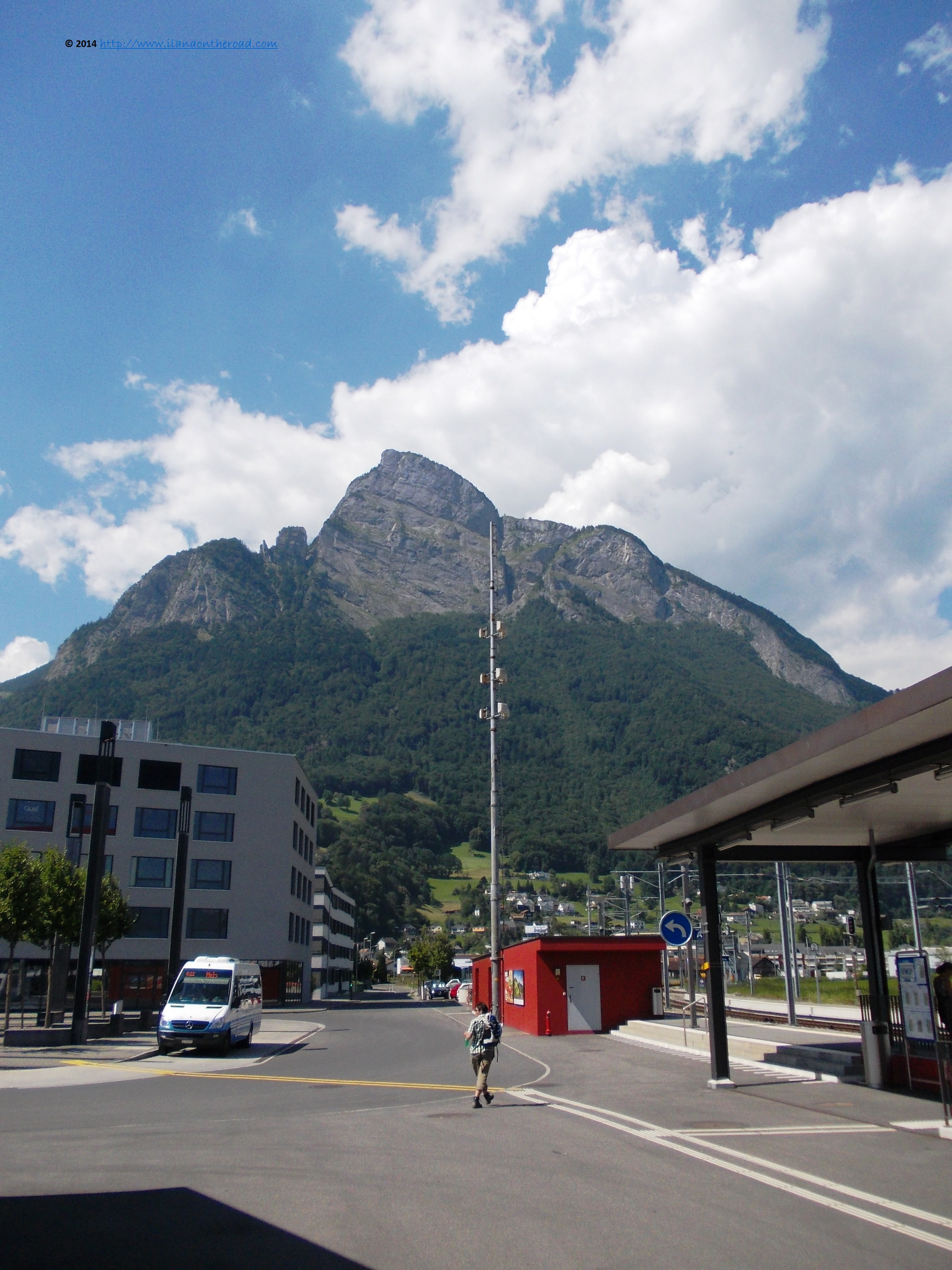
When I started planning our adventure in the South of Germany I tried to figure out what are the possibilities for extended trips outside the border, mostly around Switzerland, a country I neglected in the last years. While my fingers were moving in different directions on the map, I decided that instead of small bits of Switzerland, I should finally pay a visit to Liechtenstein. All approved, I needed to figure out how to reach this small country hidden inside Switzerland in the most convenient way. The best is to take the train till Sarcans and from there, a regular bus that in around 30 minutes arrives in Vaduz. The journey goes alongside spectacular high mountains with small villages cramped on the aisles, an invitation to humility and curiosity to walk by foot every inch of forest or mountain.
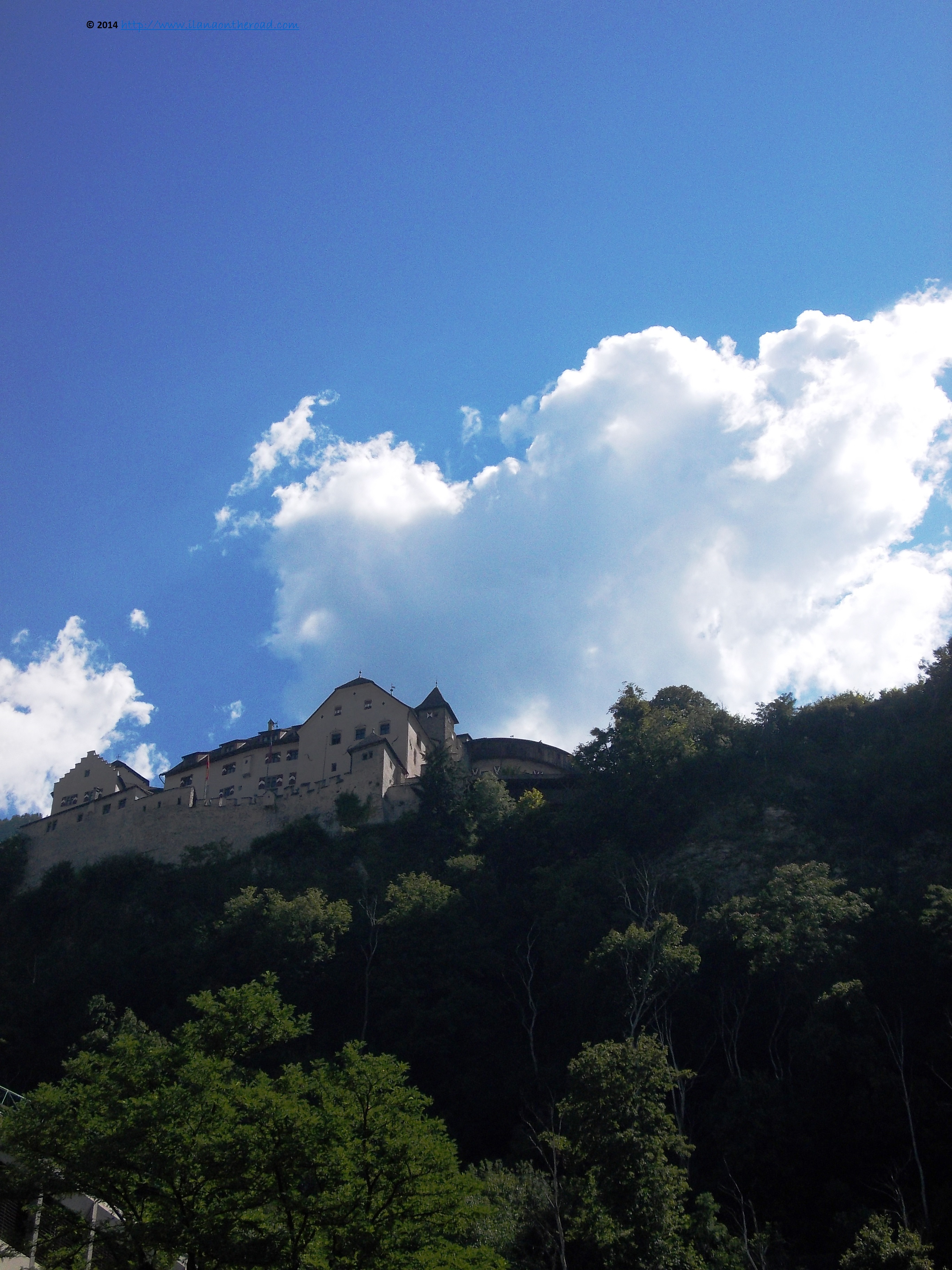
The castle that dominates the city from the high of its 120-meter, that can be partly visited only special guided tours was the first apparition upon arrival and kept appearing regularly from the corners of the buildings or streets of Vaduz.
??????????
The sixth smallest countries in the world, Liechtenstein is a sovereign state since the beginning of the 19th century, being ruled as a principality by a family of Austrian origin. Nowadays a constitutional hereditary monarchy, it was visited by many cultural and political European personalities, among which Goethe, who stayed for a little while in a house situated in the center of Vaduz.
??????????
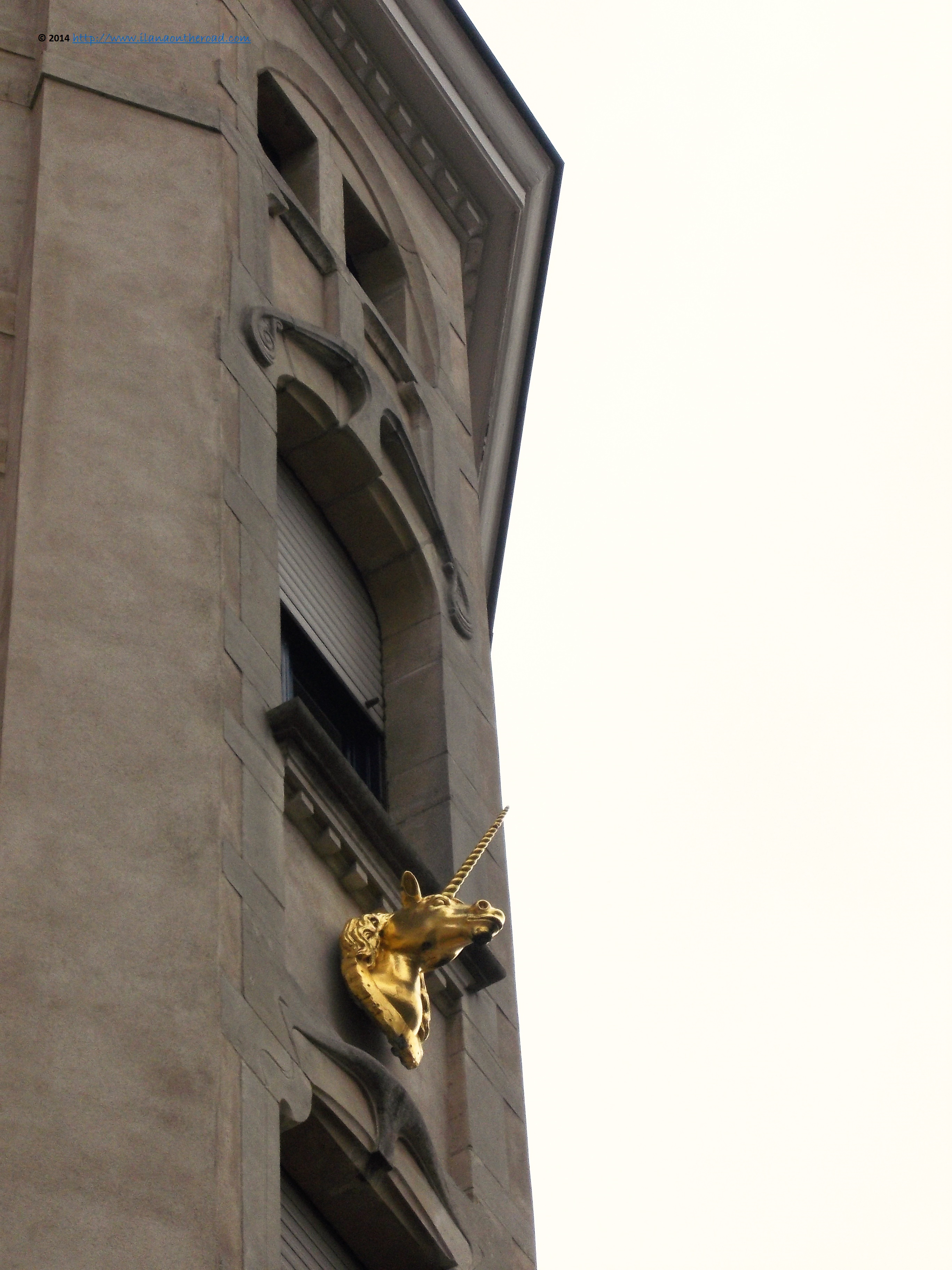
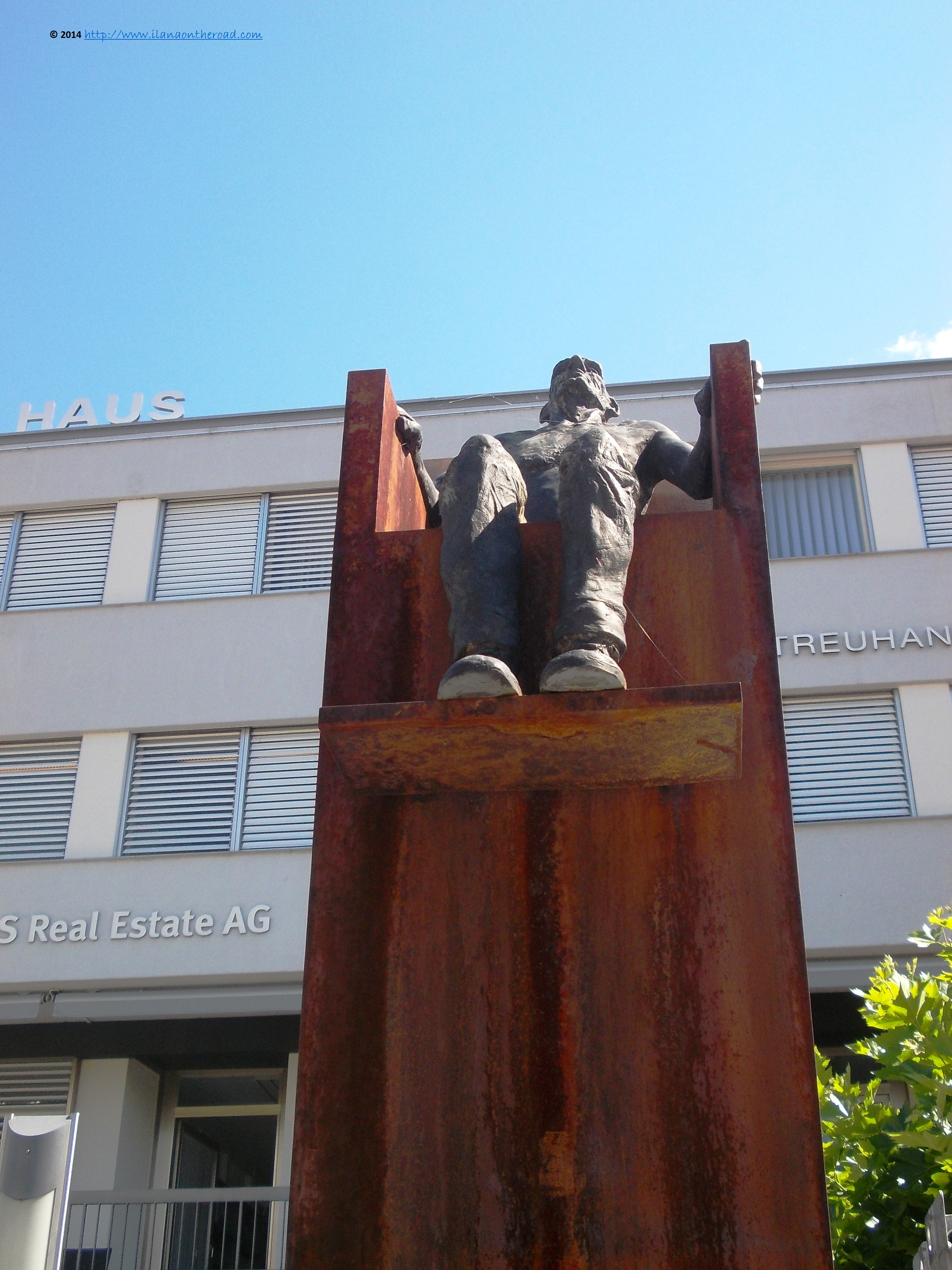
The city displays a good taste combination between the overwhelming natural landscape and urban elegance, with flowers spread between dynamic statues that seem to occupy in the best way the vertical space between various constructions.
??????????
The central streets were busy with tourists from the early hours of the morning till late in the afternoon, many of them curious to discover every corner of the city. With so many monumental art situated in many unexpected places, it was hard to be disappointed.
??????????
My first cultural stop was at the Post Museum, learning not only about the interesting postmarks produced here but also about how the first telegraph lines started to connect Liechtenstein with the rest of Europe and the world, starting from the end of the 19th century.
??????????
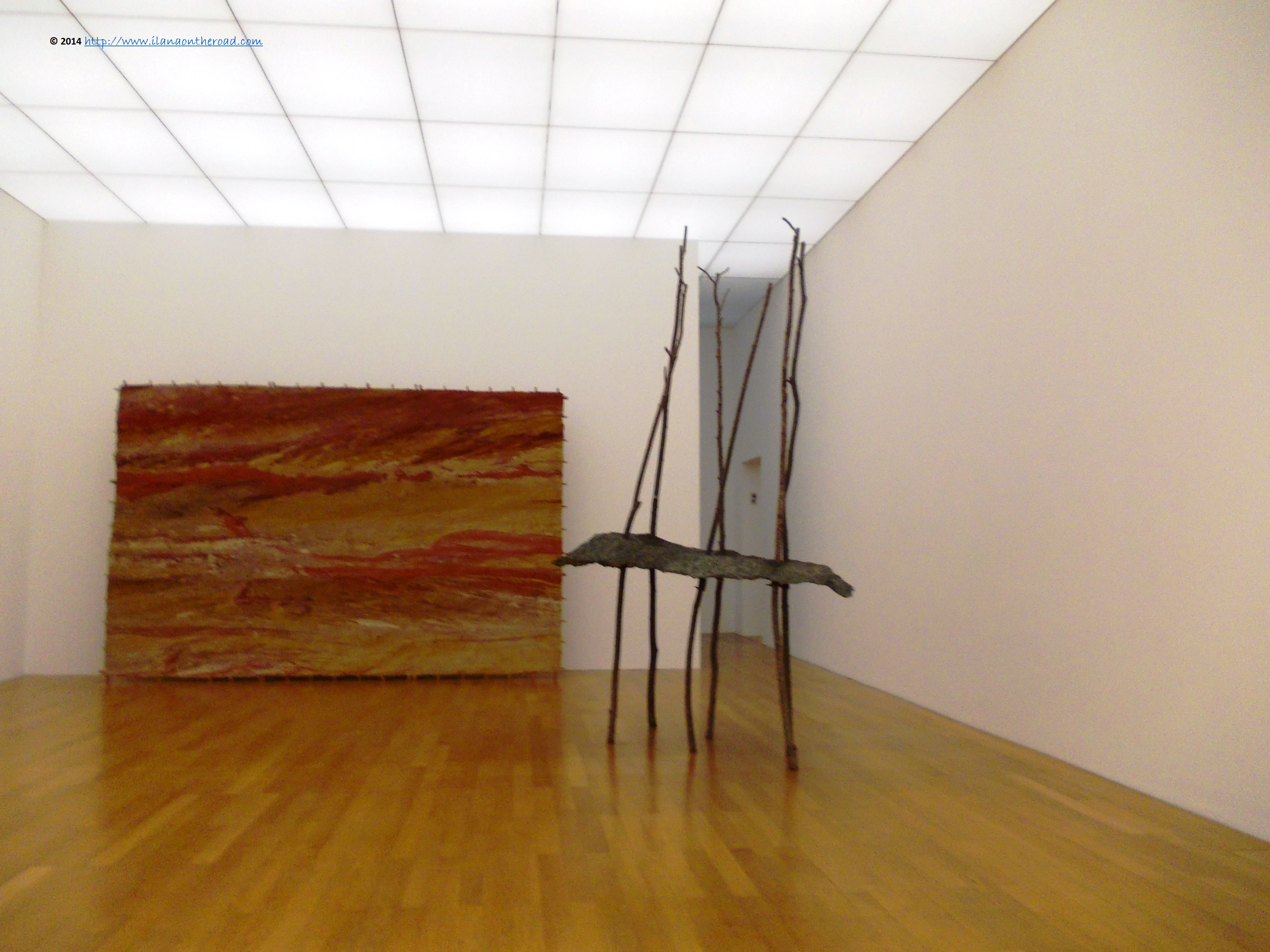
From there, I made a long stop at the Museum of Modern Art who is interesting not only for its collection, but also as an individual work of architecture in itself, but also for its L-shaped building.
??????????
More than anywhere else, I am trying as much as possible to limit the time spent indoors for long minutes of admiration of the exquisite landscape. With its mountains and the green pastures, Swiss-style bigger chalets and cows, plus the extended areas with vineyards, it seems that Liechtenstein won the best of all neighbouring worlds - Switzerland and Austria.

??????????
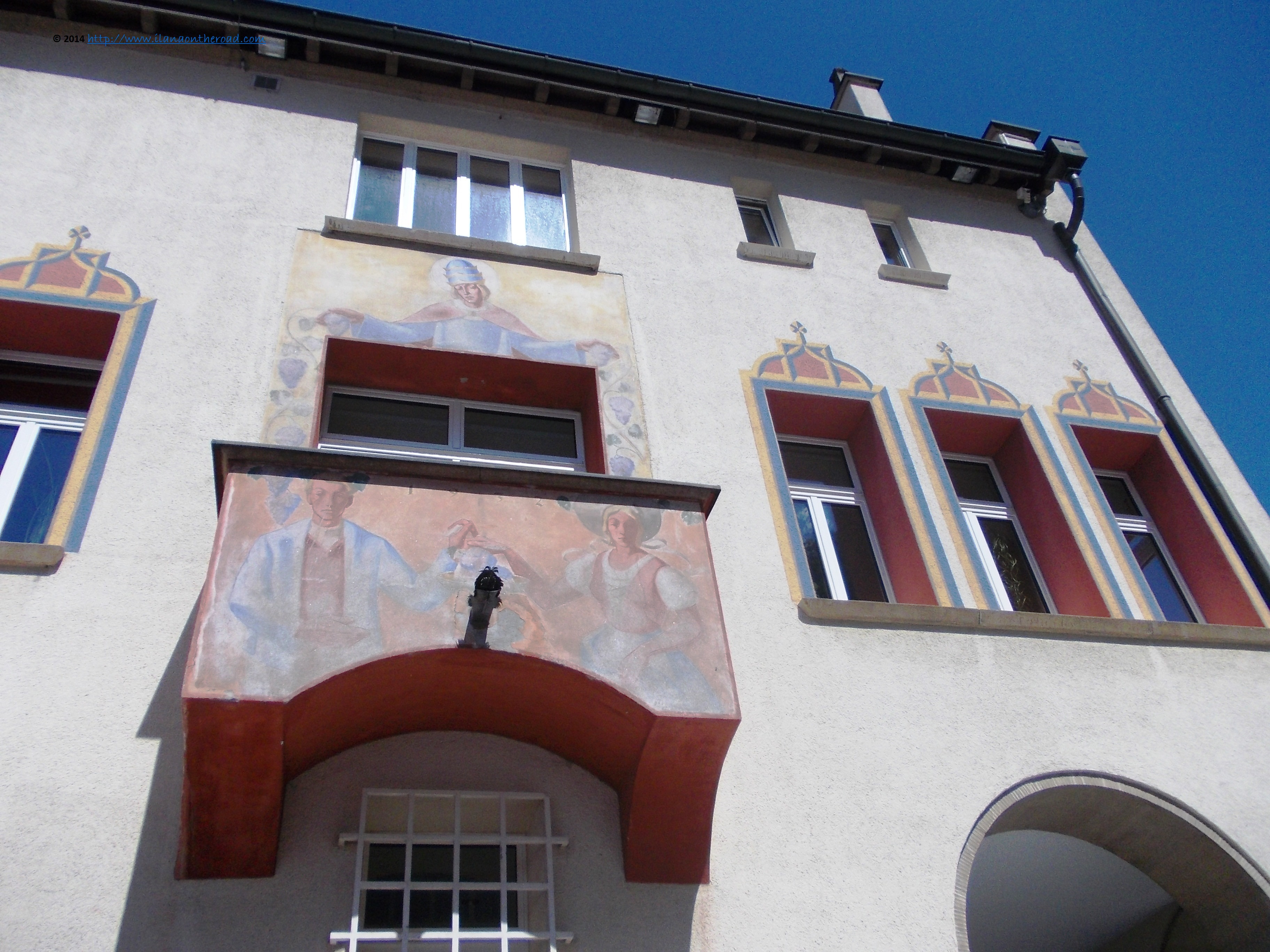
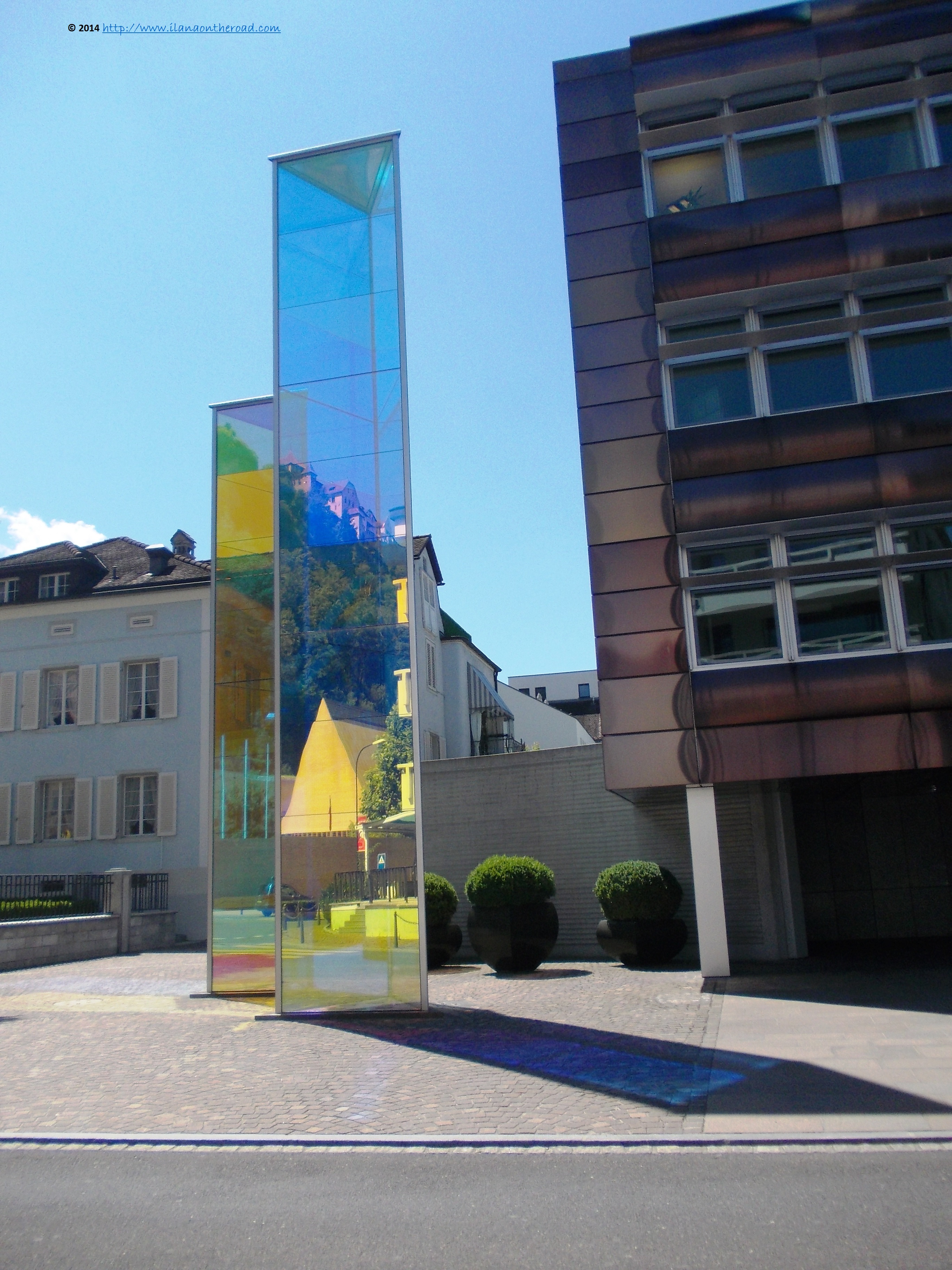
In full compliance with the environment, the architecture is integrating an abundance of natural elements, that bring harmony to corners that might look aggressively sober at the first sight.
??????????
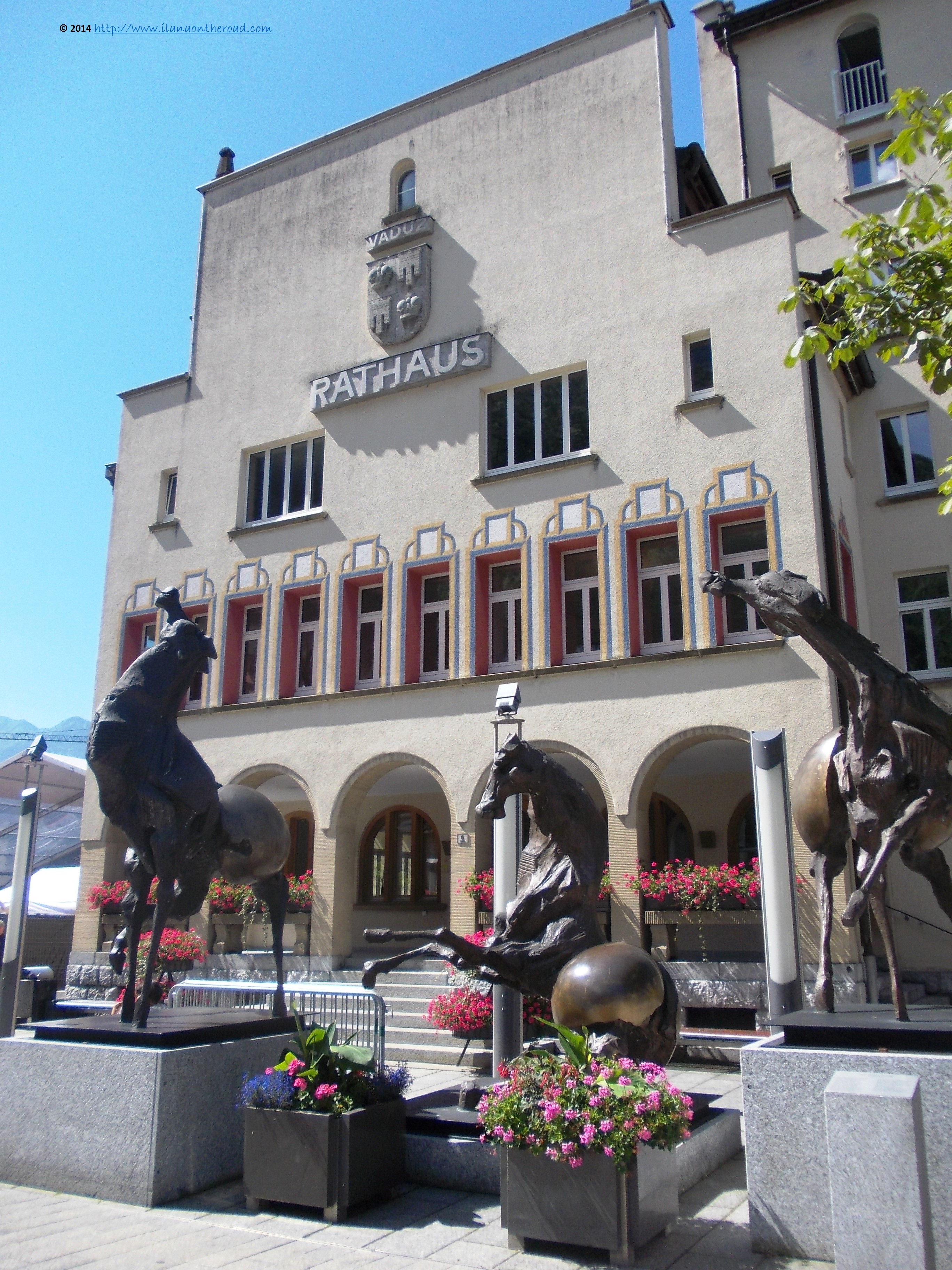
The irregular geometry of the buildings applies as well to the governmental institutions. Near the Parliament and government buildings, a small park with pebbles and little trees can bring peace of mind after a busy day deciding the destiny of the Principality.
??????????
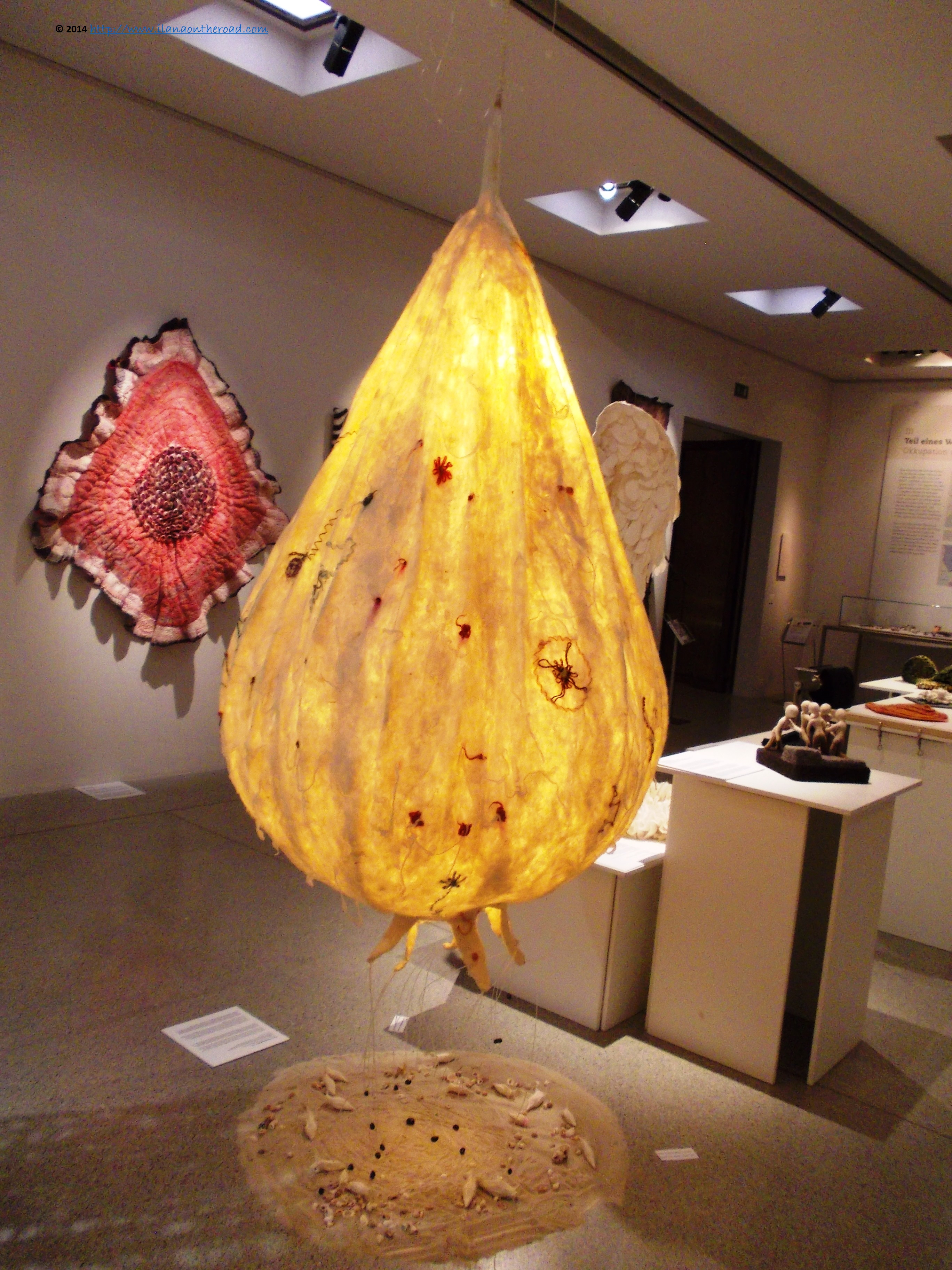
With some more available time and the Adventure Pass in my pocket, I made a tour of the Liechtenstein history and culture at the dedicated museum, in addition to a contemporary exhibition of textile works and a temporary exhibition about gladiators, exploring the daily life and the evolution of the shows usually displayed in Colosseum.
??????????
The museum also offers on sale samples of the local production of wine, a distinctive category of products Made in Liechtenstein.
??????????
I learned more about the vineyards later in the day, while taking the mini-train tour that leads the visitors in the main attraction points of Vaduz. Compared to other similar tours I took this summer, it also offers the opportunity for a small stop, in the best spots for photo opportunities. My favourite was near the Red House, where the eyes did not have enough dreaming about the time when the wine is almost ready. The Adventure pass generously offered by the Liechtenstein Tourism Office allows some free degustation of two wines from the winery of the Prince Liechtenstein. The famous local bottles of Pinot noir and Chardonay should probably wait till my next visit.
??????????
The mini-tour during which the moments of explanations are intercalated with long pauses of local folk music - that sounded like a pop version of the Swiss yodlers - goes all round Vaduz, up on the top of the cobblestone old roads, many of them built probably late in the time of the Romans. In the middle of so many monumental art works and stone houses, Vaduz, a former farmer village in the old times, also has a stadium of 6,000 places where the national soccer team is playing regularly. For those interested in practising sports, Liechtenstein offers many indoor and outdoor swimming pools, minigolf, an adventure park as well as possibilities to practise winter sports many of them presented in the dedicated Museum.
??????????
Back to the busy central area, we had a stop at Engel Restaurant, offering a variety of cuisines, from the regional Swiss and Austrian dishes to more exotic Thai and Chinese. Although my choice of Pad Thai Rak was extremely bad, the coffee was strong enough to smitten my protests. Although the national currency is the Swiss Franc, the payments can be made in Euro and Dollars, a very good smart way to avoid complicating too much the life of country hoping tourists that may get confused about which money they should use on step ahead.

??????????
Exquisite shops are relatively few compared with the usual display in Switzerland, but with interesting design products, both for clothes and jewellery. Liechtenstein, made up of families owith diplomatic and military background, is regularly attracting intellectual audiences from all over Europe for its classical and jazz concerts held in Vaduz and other places regularly. As I spotted an announcement for a concert of Chick Corea I just had another regret for leaving this country.
??????????
I said 'good bye' to Liechtenstein with a heavy heart, but at least now I promise to include it in all my coming plans to visit  Switzerland. Liechtenstein is Europe's best hidden secrets and I'm glad that I had the chance to be part of its discovery too.
For more insights from Vaduz and Liechtenstein, have a look at the dedicated Pinterest board: http://www.pinterest.com/ilanaontheroad/vaduz-liechtenstein/
Liechtenstein Tourism Office offered me an Adventure Pass to discover the country, but the opinions are, as usual, my own.